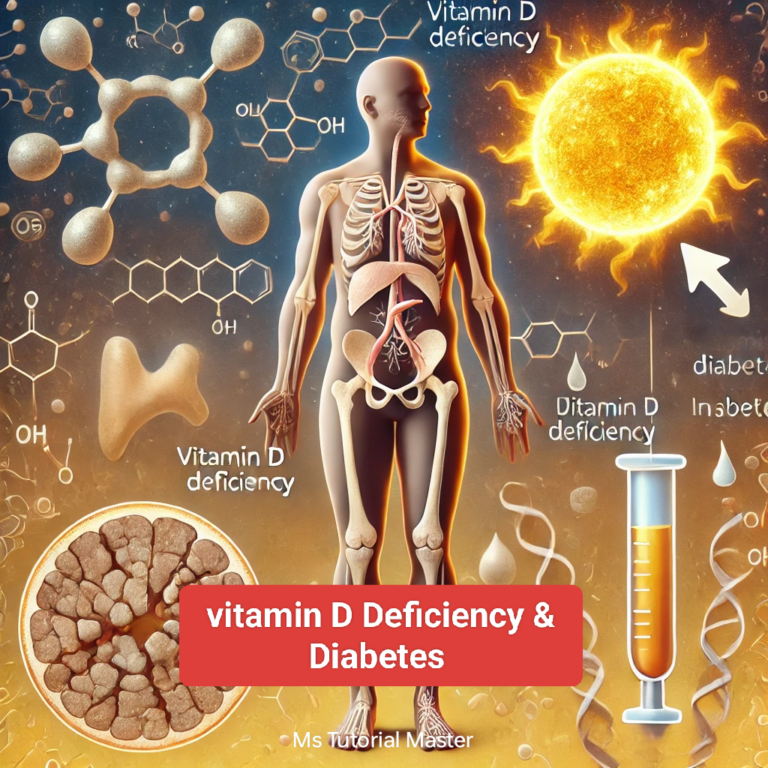
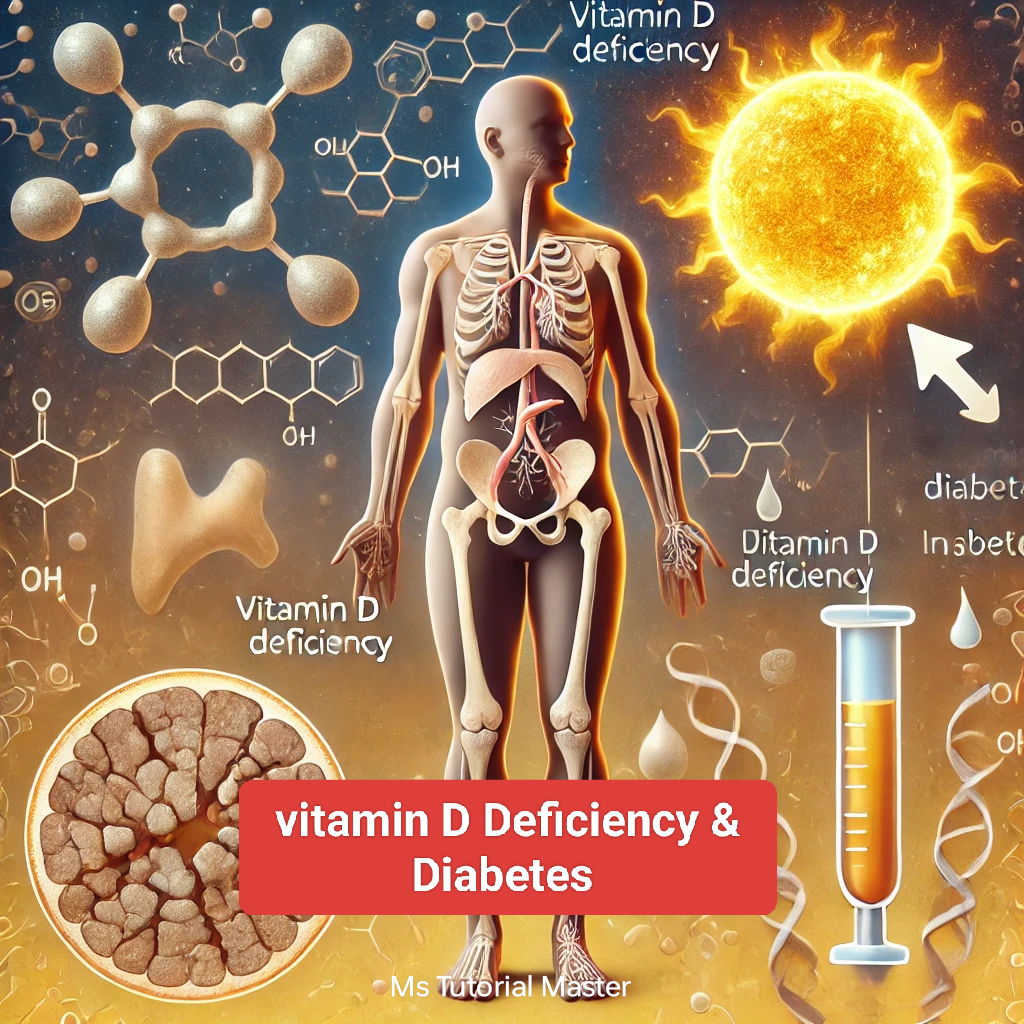
Vitamin D3, commonly known as the “sunshine vitamin,” plays a crucial role in various bodily functions, including bone health, immune system support, and modulation of cell growth. Recent research has highlighted a significant association between Vitamin D3 deficiency and the development of both type 1 and type 2 diabetes.
Association Between Vitamin D3 Deficiency and Diabetes
Several studies have identified a notable link between low levels of Vitamin D3 and an increased risk of diabetes:
Type 1 Diabetes: Vitamin D3 deficiency has been associated with the onset of type 1 diabetes. Research indicates that adequate levels of Vitamin D3 may play a role in modulating the immune response, potentially reducing the risk of autoimmune attacks on pancreatic beta cells.
Type 2 Diabetes: Observational studies have found that individuals with lower levels of Vitamin D3 are at a higher risk of developing type 2 diabetes. Vitamin D3 deficiency leads to reduced insulin secretion, and supplementation with vitamin D has been shown to restore insulin secretion in animal studies.
Mechanisms Linking Vitamin D3 and Diabetes
The potential mechanisms through which Vitamin D3 deficiency may influence diabetes development include:
1. Insulin Secretion: Vitamin D3 deficiency leads to reduced insulin secretion. Supplementation with vitamin D has been shown to restore insulin secretion in animals.
2. Insulin Sensitivity: Vitamin D3 contributes to the regulation of extracellular calcium, ensuring normal calcium flux through cell membranes. Low Vitamin D3 levels may diminish calcium’s ability to affect insulin secretion, thereby influencing insulin sensitivity.
3. Inflammation: Vitamin D3 has been shown to have an impact on systemic inflammation by directly affecting cytokines, which are involved in the inflammatory response. This modulation of inflammation may influence insulin resistance and the development of diabetes.
Impact of Vitamin D3 Supplementation
Research on the effects of Vitamin D3 supplementation has yielded mixed results:
Type 1 Diabetes: Some studies suggest that Vitamin D3 supplementation may help reduce glycated hemoglobin (HbA1c) levels in patients with type 1 diabetes, indicating improved blood sugar control.
Type 2 Diabetes: While observational studies support an association between low blood 25-hydroxyvitamin D levels and the risk of type 2 diabetes, randomized controlled trials have not consistently demonstrated that Vitamin D3 supplementation prevents the onset of type 2 diabetes.
Conclusion
Vitamin D3 deficiency is prevalent among individuals with diabetes, and maintaining adequate levels of this vitamin is essential for overall health. While there is evidence suggesting an association between Vitamin D3 deficiency and the development of both type 1 and type 2 diabetes, the benefits of supplementation remain inconclusive. Regular monitoring of Vitamin D3 levels and appropriate supplementation, as advised by healthcare professionals, may be beneficial, especially for individuals at high risk of diabetes or those with existing diabetes.
References
1. Does Vitamin D Have a Role in Diabetes?
https://pmc.ncbi.nlm.nih.gov/articles/PMC9671203/?utm_source=chatgpt.com
2. Vitamin D and Diabetes
3. Vitamin D Supplementation and Prevention of Type 2 Diabetes
https://www.nejm.org/doi/full/10.1056/NEJMoa1900906
*Note: This article is provided for informational purposes and is based on current research findings. For personalized medical advice, please consult a healthcare professional.*
New Posts
VITAMIN D3 and its association with Diabetes; Research based facts

World Heart Day 2020; Women With PCOS & Risk of CVD
Gallery